
Within Reach: Building a Workable AI Teammate

Within Reach
Building a Workable AI Teammate
By Xuan You
Within Reach
Building a Workable AI Teammate
By Xuan You
Generative AI is already part of the actuarial workday, but how much of the work is it really doing? Our survey reveals where actuaries are finding value, what’s holding them back, and what it will take to move AI from helpful assistant to trusted teammate.
G

enerative AI (GenAI) has moved quickly into professional work, while its role in actuarial practice is still taking shape. This summer, the CAS surveyed P&C actuaries about where they use GenAI, what value it provides, what prevents broader use, and what they hope it can do next. The survey defined GenAI as tools such as ChatGPT, Claude, Gemini, or Microsoft Copilot that generate or transform text, code, and analysis, distinct from the predictive models already common in actuarial work.

The survey received 146 responses, including 132 complete responses. The analysis that follows is based on those 132 complete responses. Respondents worked across carriers, consulting firms, brokers, reinsurers and other organizations, in shops with fewer than 100 employees and groups with more than 20,000.

70% of the respondents worked in commercial lines pricing or reserving, and responses also spanned personal lines, reinsurance, enterprise risk management (ERM), claims analytics and data science. (See Figure 1.)

Wide use, limited depth

GenAI already looks like part of the actuarial workday: 76% of respondents had used it for work in the previous 30 days, and 54% used it at least weekly. Frequent use, however, did not always reach substantive actuarial work. The survey defined substantive use as applying GenAI to core actuarial tasks rather than lighter assistance such as summarizing a report. When asked whether they had used GenAI for substantive actuarial work during the previous 12 months, 30% said they had tried it and continued. (See Figure 2.)

About two-thirds of the 27 daily users reported continued substantive use in the past 12 months, compared with 39% of the 44 respondents who used GenAI a few times a week. At lower frequencies, most had not tried substantive use at all. The share who had tried and stopped remained small in every frequency group.

Even with widespread adoption, much of today’s use still sits around the analysis rather than inside it. Emails get sharper and code arrives faster, while selections, judgments, and controls remain with the actuary. The practice-area results below help explain what allows GenAI to move further into the workflow.
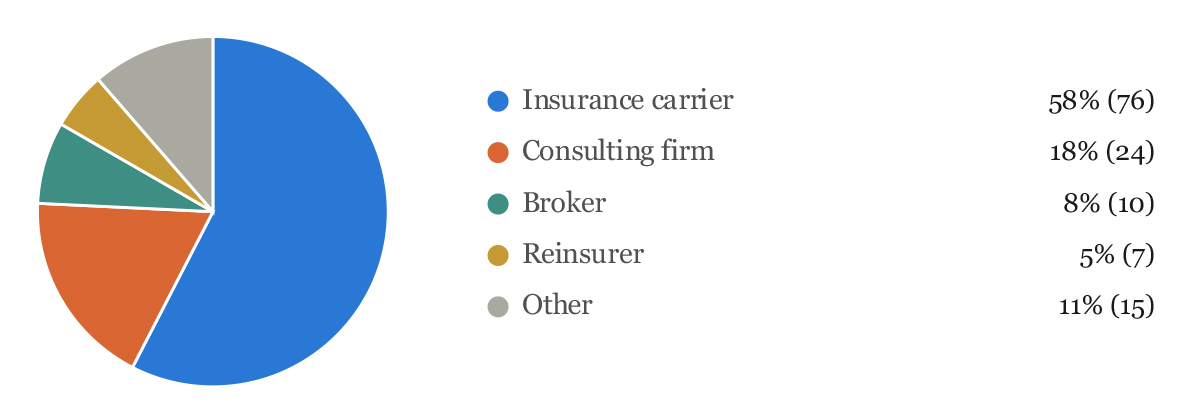
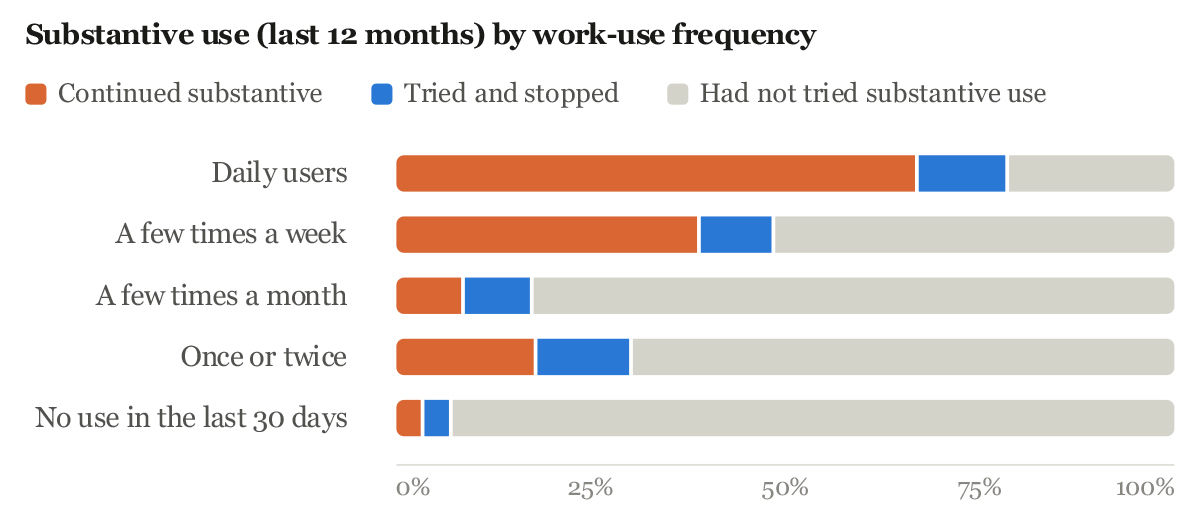
Figure 1. Respondents by organization type
Pie chart showing survey respondents by employer type: Insurance carrier 58%, Consulting 18%, Other 11%, Broker 8%, Reinsurer 5%.
Figure 2. GenAI use frequency and substantive-use experience
Horizontal stacked bar chart tracking substantive AI use over the last 12 months grouped by daily, weekly, and monthly work-use frequency.

Adoption follows the work

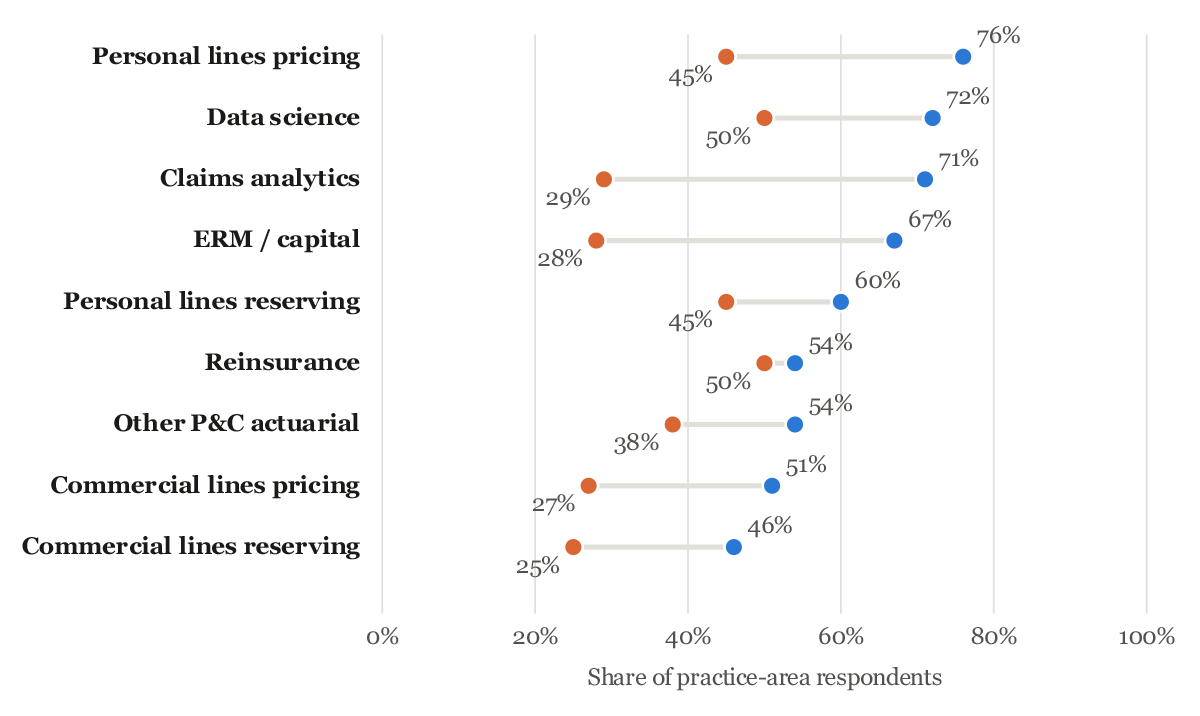
Adoption looked different across practice areas. Among the 33 respondents who selected personal lines pricing, 76% used GenAI at least weekly and 45% reported continued substantive use. The 18 data science respondents also ranked near the top on both measures, while commercial lines reserving ranked lower. (See Figure 3.)
Figure 3. Weekly and substantive GenAI use by practice area
Dot plot comparing AI adoption rates across P&C practice areas, led by personal lines pricing and data science.
Respondents could select more than one practice area.
Personal lines pricing and data science tend to involve coding and data-intensive processes. Commercial lines reserving respondents are more likely to work in consulting, where client-data restrictions and engagement-specific workflows can slow deployment. Nearly half of consulting respondents reported no work use at all in the previous 30 days. Privacy restrictions were a barrier for 63% of the 24 consulting respondents, compared with 17% of the 76 carrier respondents. Across practice areas, use appears strongest when the task suits the tool, and the workflow provides usable data and a practical way to review the result.

Organization size offered a weaker signal. Weekly use was highest among respondents at organizations with 5,001 to 20,000 employees and lowest at those with fewer than 100, but the groups were small, and their mix of employer types differed. The practical conditions matter more than headcount: approved tools, usable data and clear rules for how the technology may be applied.

Where value appears today
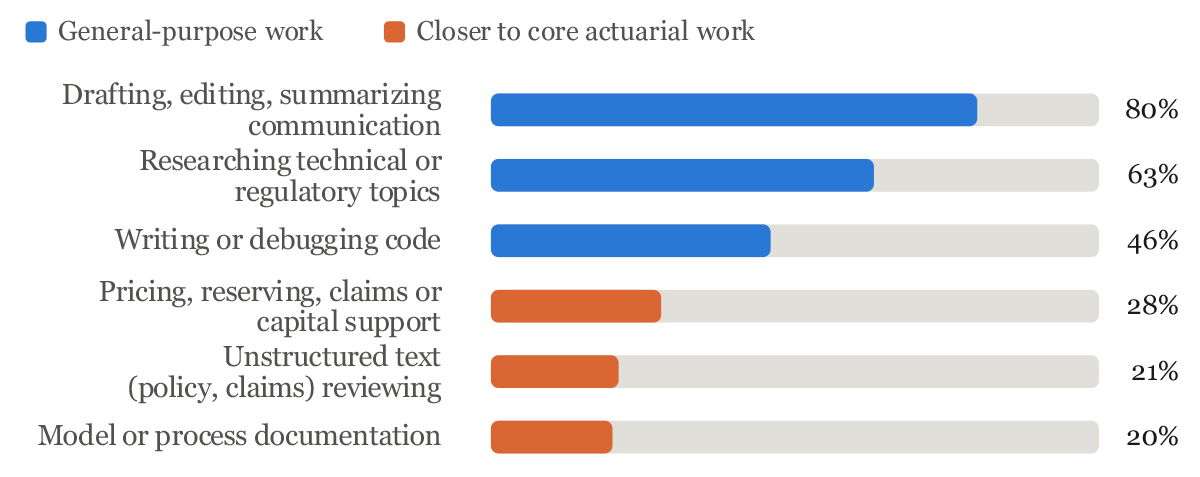
The same practical conditions shape which tasks are easiest to adopt. The 100 respondents who had used GenAI for work in the previous 30 days were asked: “For which tasks have you used GenAI in actuarial work in the last 30 days? Select all that apply.” (See Figure 4.)
Figure 4. GenAI use by task in the last 30 days
Bar chart illustrating AI adoption by task type, led by drafting and communication (80%) and research (63%).
In a follow-up, open-ended question, 80 respondents described where GenAI had added the most value. Their examples echoed the task results: Writing, research, and coding produce work that is bounded, relatively easy to review, and inexpensive to check. “It does a lot of groundwork, and I can focus on creating a story out of the numbers,” one respondent wrote. Another used prior questions and model documentation to draft initial DOI responses. A third one supplied more than 30 source documents to GenAI, expected a weekend of writing, and instead received a cited first draft in under an hour.

Across those examples, respondents often described value in terms of momentum. GenAI could provide a starting point, translate an unfamiliar formula, suggest code, or organize a large set of material. The actuary still had to judge the result, but the first useful version arrived sooner. For work that can be inspected quickly, that head start can be valuable even when the output is incomplete.

Task mix varies by usage profile
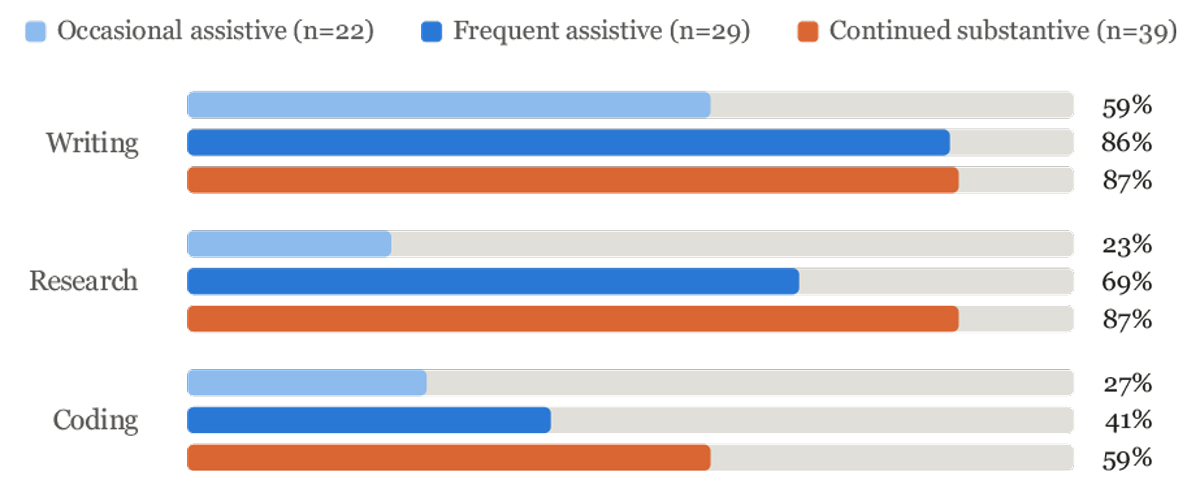
Figure 5 compares 90 of the 100 respondents who had used GenAI for work in the previous 30 days, grouped into three distinct profiles. Occasional assistive users worked with GenAI monthly or less without trying it for substantive actuarial work; frequent assistive users also had not tried substantive use but worked with GenAI weekly or more. Continued substantive users had tried GenAI for core actuarial work and kept using it. The remaining 10 recent users had tried substantive work and stopped; they were excluded from these profiles.
Figure 5. Selected GenAI tasks by usage profile
Grouped horizontal bar chart detailing GenAI use across writing, research, and coding broken down by frequency cohorts.
Writing led in the two assistive profiles. Among continued substantive users, research matched writing at 87%, while coding was also more common. In both activities, sources can be verified, code can be tested, and users receive quick feedback. Those characteristics may help explain why research and coding were associated with broader use across the workflow. Core actuarial support remained less common across all three groups, consistent with the added data, control, and judgment those tasks require.
Among continued substantive users, research matched writing at 87%, while coding was also more common.

Where progress stalls

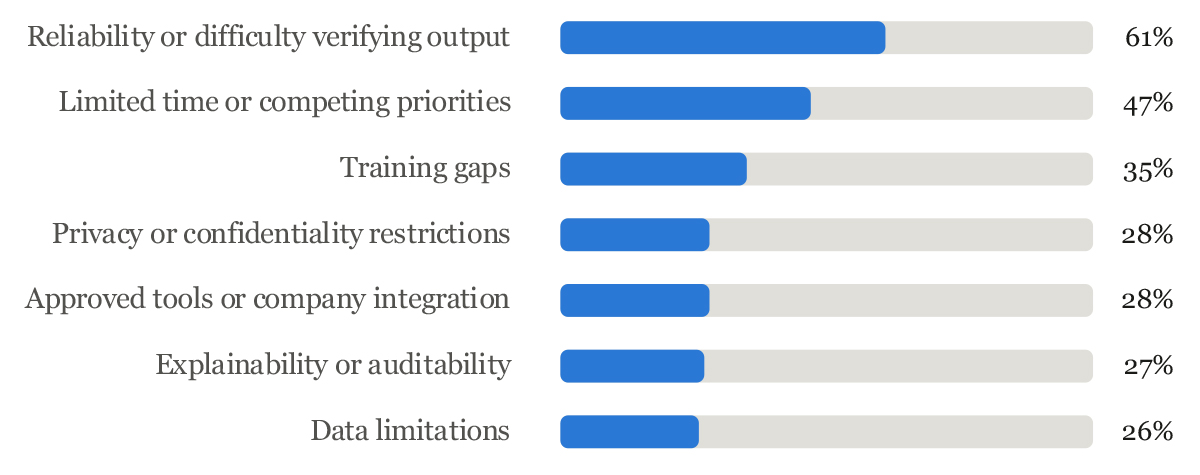
Broader or more effective use depends on more than finding additional tasks. The survey asked: “What are the biggest barriers to broader or more effective use of GenAI in your actuarial work today? Select up to three.” (See Figure 6.)
Figure 6. Barriers to broader or more effective GenAI use
Horizontal bar chart of primary barriers to AI adoption, led by output reliability (61%) and limited time (47%).
Reliability, time, and training led the barriers; cost, regulatory concerns, and cultural resistance were each chosen by roughly one in ten respondents or fewer. The pattern shifted with respondents’ current use. Respondents with no recent use placed training alongside reliability. Among frequent assistive users, reliability and limited time were tied at about two-thirds, suggesting that regular use alone does not resolve concerns about confidence or checking time. Continued substantive users placed reliability clearly first, while training was less prominent. For respondents already using GenAI substantively, the central concern was whether the work could be verified efficiently, rather than how to begin.

The remaining barriers describe what it takes to use GenAI in an actuarial workflow. Privacy restrictions affect which information can enter a tool. Integration determines whether an AI model can reach the material it needs. Auditability determines whether another actuary can understand and challenge the result. These requirements become more important as GenAI moves closer to work that affects an actuarial conclusion.

Reasons for restraint
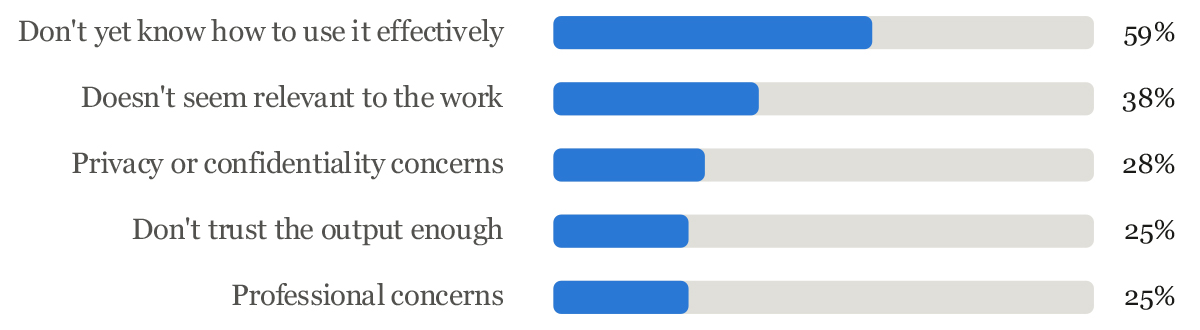
Those barriers describe what can limit broader use across the sample. A separate question focused on the 32 respondents with no work use in the previous 30 days and asked what had kept them from using GenAI during that period. (See Figure 7.)
Figure 7. Reasons for no GenAI work use in the last 30 days
Horizontal bar chart displaying reasons for non-use of GenAI, led by lack of know-how (59%) and lack of perceived relevance (38%).
Respondents could select up to three.
Uncertainty about how to use GenAI effectively led the list, cited by nearly three in five. Perceived relevance followed, while privacy, trust, and professional concerns also appeared. Only five respondents, about one in six, said their employer did not allow or provide GenAI. The group includes people who need a practical way into the tools, people whose work or organization offers a poor fit, and people who remain unconvinced that the benefits justify the risks.

A few respondents raised environmental or ethical objections or resisted the prospect of mandatory use. One said they might look for other employment if AI use were required by an employer or the CAS. Those concerns deserve room in the profession’s discussion of responsible adoption.

For respondents already using GenAI substantively, the central concern was whether the work could be verified efficiently, rather than how to begin.

When substantive trials fail

Having no recent use is different from trying GenAI for core actuarial work and deciding not to continue. Eleven respondents had tried substantive use in the previous 12 months and stopped. Most struggled to prompt it effectively enough to get useful output, and nearly half said verification took more time than it saved. Several cited poor quality or a serious error. The sample is small, but the answers show how quickly an appealing experiment can lose its place in a workflow when the checking burden exceeds the benefit.

One respondent described GenAI as “an overeager intern that speaks well but doesn’t have the knowledge base.” For example, the respondent had an instance where GenAI misclassified ULAE due to mistakenly relying on general actuarial principles rather than the full NAIC instructions. Unclear prompts, incomplete access to the instructions, or a model poorly suited to the task may also have contributed to the misclassification. But in the end, the supplied citations did not hold up, and the repeated correction erased the time savings.

Across these findings, the obstacles depend on the use being attempted. Know-how and relevance shape whether GenAI finds a place in the workday. GenAI’s reliability and need for review help determine whether it can move into core actuarial work and stay there.

From wish list to workable teammate

Respondents were not short of ideas about where GenAI could help. An open-ended question asked actuaries at every level of use: “What do you most hope GenAI can help you do in your actuarial work?” Ninety-eight responded. Their examples ranged from data preparation, coding and automation to first-pass analysis, review and challenge, research and insight, and communication. Some described a more expansive role for GenAI: an assistant, analyst or reviewer.
“Be my true digital assistant in answering any question I have, from ‘What’s the loss ratio for second quarter in the state of Texas home?’ to ‘What are the changes in loss drivers from claims in the last quarter of data?’ I do not want to go to tons of dashboards or reports to find what I need. … If it can tell me stories and tie my question to other data for more insights, then we are cooking.”
Another respondent wanted AI to make a first pass at actuarial selections based on stated rules and prior selections: “I want it to be an ‘analyst’ for me, and I am the ‘supervisor’ reviewing and making edits.” Others imagined a challenger result to a central reserve estimate, an AI peer reviewer, or an initial analysis produced under standard assumptions and then adjusted by an actuary. Several of these ideas point toward agentic AI. The CAS Artificial Intelligence Working Group (AIWG) defines an AI agent as “an LLM equipped with a goal, a set of tools, and a feedback loop that allows [them] to observe results and decide what to do next.” The survey did not ask directly about agents, so it cannot quantify their use, but several respondents described aspirations that incorporated aspects of agentic workflow.
Knowing why the work is being done matters for a new analyst. It helps the analyst recognize when a prescribed step no longer fits, ask a better question, and adjust after receiving guidance.
To illustrate, the journey from wish list to workable agentic workflow starts with asking what context and tools an AI model would need to interpret the request, bring together the relevant information, and coordinate the steps. For the Texas loss-ratio question, that means access to the database, clarity on specifications such as whether the ratio uses losses only or losses plus allocated loss adjustment expenses (ALAE), and a way to validate the result.

A useful way to make that wish list concrete is to think of an AI teammate as a new analyst joining the team. The analyst needs to know where the raw data lives, which sources must be reconciled, whether their definitions agree, and where to turn when documentation falls short. Prior workpapers or other known results provide a check.

Knowing why the work is being done matters for a new analyst. It helps the analyst recognize when a prescribed step no longer fits, ask a better question, and adjust after receiving guidance. The same applies when an AI model serves as a reviewer or challenger. Without the purpose of the analysis, it may be able to follow a procedure but have little basis for deciding what to question, which differences matter, or when a result deserves escalation.

That context also determines how precise the answer needs to be. One respondent saw promise in competitor research, where “a ballpark answer is generally acceptable.” For a market scan, roughly right arrives fast and is worth having; for a rate indication, roughly right is wrong. AI models also do not always give the same answer twice. “If I do something and then someone else comes right after,” one respondent asked, “are they going to get a different answer?” That variability matters when assigning work. A drafting task may allow several reasonable versions whereas a calculation must return the same result every time.

With those boundaries clear, the work can be organized such that each part goes to the right participant or tool. Within the AI teammate, the model can interpret the request, bring together the relevant information, and coordinate the steps, while connected calculation tools handle work that requires reproducible results. The actuary sets the scope, reviews the work, and makes the decision. Together, these roles turn separate capabilities into a workable assistant. First-pass selections, challenger estimates, and peer review require the same task-by-task design. Understanding these boundaries helps actuaries define better assignments, choose suitable tools, and set realistic expectations. (See Figure 8.)
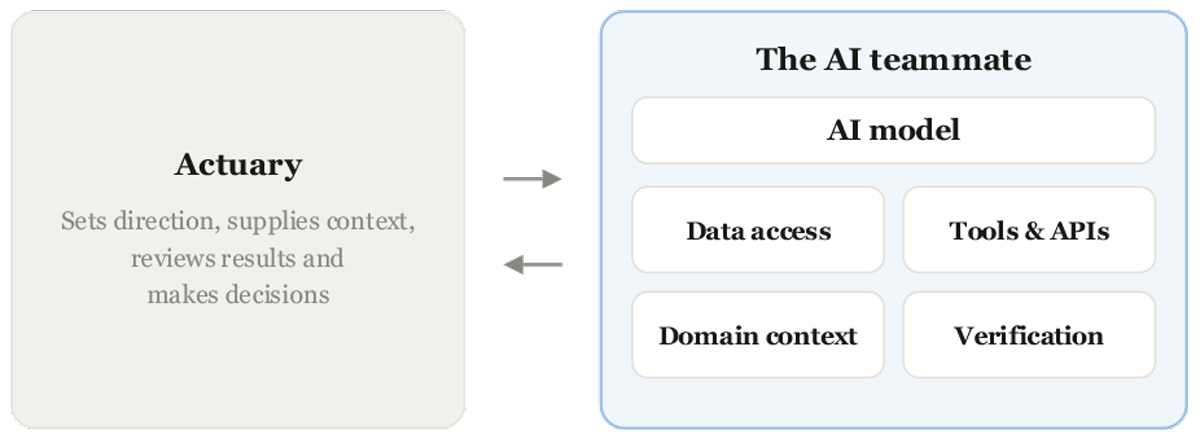
Figure 8. Actuary and AI teammate workflow
Diagram showing bidirectional collaboration between the Actuary and "The AI teammate" component architecture.

Rethinking the actuarial apprenticeship

The vision of an AI analyst or reviewer also has implications for how actuaries learn. Six respondents raised related issues involving actuarial education, early-career development, and the risk of over-reliance on AI. One argued that as AI absorbs more technical material, early-career development may need to place greater emphasis on structuring and solving business problems. Another respondent worried that GenAI could create “a lazy workforce when used as a crutch,” while a third hoped the profession would treat it as “lowering the barrier to entry for expanding skills, rather than as a replacement for learning skills.”

The analyst on respondents’ wish lists would take on much of the work junior actuaries do today: first-pass selections, data reconciliation, and initial drafts. That work is also how junior actuaries learn. If AI takes on more of it, what should junior actuaries still do themselves? How will they learn to review AI-produced work and gain the experience needed to supervise it later?

Those are open questions for the profession. Moving more analyst work to AI will also mean rethinking how junior actuaries are trained so that they continue to develop into capable actuaries.

What respondents want from the CAS
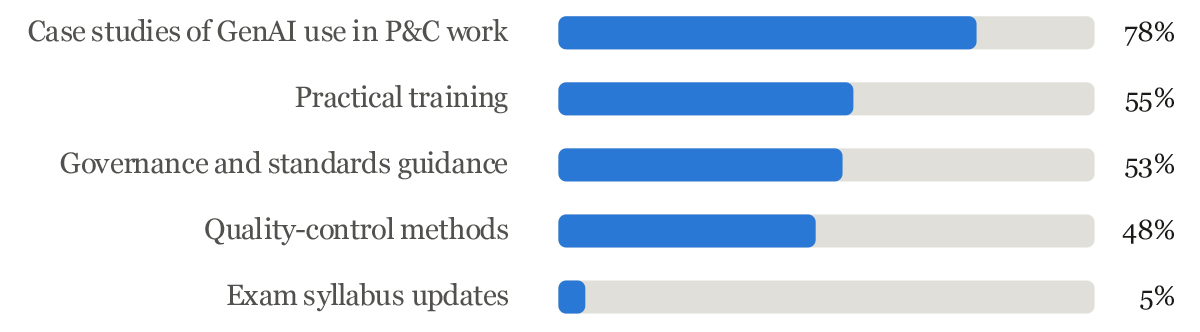
Those longer-term questions sit alongside more immediate needs. One hundred thirty respondents answered: “If the CAS were to invest in GenAI-related resources for P&C actuaries over the next two years, which would be most valuable to you? Select up to three.” (See Figure 9.)
Figure 9. Preferred CAS GenAI resources
Horizontal bar chart showing requested CAS GenAI support resources, led by P&C case studies (78%) and practical training (55%).
The requested resources varied with respondents’ current use. Practical training drew stronger interest from respondents with no recent use, while quality-control guidance drew stronger interest from frequent and substantive users. Case studies appealed broadly across all three groups.

The pattern reflects a community with different needs. Some actuaries are looking for an effective way to begin. Others have found useful applications and want better ways to test and govern them. Case studies can speak to both groups when they show a complete workflow: the required data and tools, the assignment given to AI, the failures encountered, the checks applied, and the point at which an actuary reviews and signs off.

While case studies would show how complete workflows function, actuaries looking for a broader introduction can start with the “CAS AI Primer: Practical Guidance for Actuaries,” which covers core AI concepts, practical applications, and responsible use. Its guidance also echoes several findings from the survey: Begin with a well-defined use case, validate outputs, keep actuarial judgment in the loop, and use code for calculations that must be reproducible.

Respondents also suggested a shared prompt cookbook and a CAS sandbox where actuaries at restricted organizations could experiment safely. These requests offer one view of where future CAS resources may be useful. They also show that the community is asking for more than demonstrations of what a model can produce. Respondents want to see how responsible use works in an actuarial setting.

Taken together, the responses provide a baseline for what members need now and a way to judge how those needs change as GenAI becomes more established.

From experimentation to practice

The 132 complete responses describe a profession moving from experimentation toward practice. Much of today’s value comes from drafting, research, and coding, where an actuary can inspect the output quickly. Respondents are also reaching for more first-pass selections, peer review, and assistants that can retrieve and interpret company data. Those uses bring AI closer to repeatable calculations and consequential judgments, where access, controls, and review matter more.

Moving further will depend on evidence from the work itself. A useful starting point is a task with a clear output and an inexpensive check. Keep the source material, test the result against something known, and compare the time saved with the time spent reviewing. Organizations can support those experiments with approved access, clear ownership, and documentation another actuary can follow. Get those foundations right, and today’s useful experiments can become part of something larger: connected actuarial workflows in which AI works across data, tools, and context, while actuaries retain responsibility for judgment and review. That would bring the digital teammates that respondents imagined closer to practice.

About the survey. The survey was fielded among the CAS Member Survey Panel during the summer of 2026. It received 146 responses; this article analyzes the 132 complete responses. Results are unweighted. Bases vary for conditional and optional questions and are stated where relevant. A question on years of experience was inadvertently omitted, so the results cannot be analyzed by experience. Quotations from open-ended responses were selected to illustrate themes and were not statistically coded.
Xuan You, FCAS, is a senior actuary at Munich Re. She is a member of the AR Working Group and Writing Subgroup.