

Developing News
The Middle East Conflict: Impacts on P&C Insurance
This is an update to “Middle East Tensions: Impact of Geopolitics on Marine Commercial Insurance” published in Sept/Oct 2025.
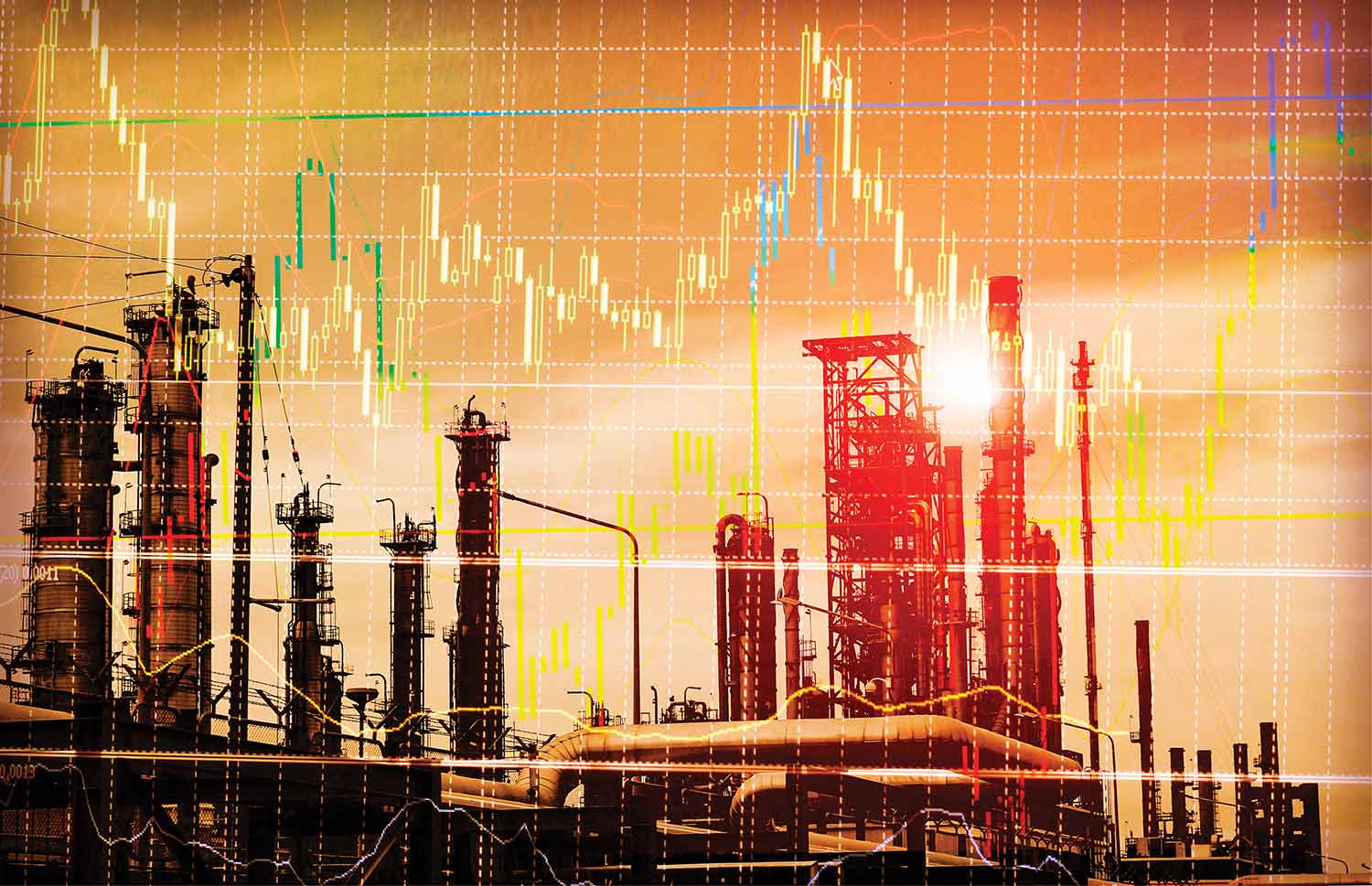
he conflict in the Middle East, which began in late February 2026, has created a “perfect storm” in the global commodity market and has disrupted naval traffic through the Strait of Hormuz. The narrow water passage is a major choke point for one-fifth of the international trade of oil and gas.1 Shipping vessels were left stranded in the Persian Gulf under threat of attack and denied safe passage to their home bases. On the ground and in the air, strikes caused severe damage to major infrastructure in the region.
The exact impacts of the conflict will largely depend on how long naval shipping through the Strait of Hormuz remains blocked and the extent of damage incurred to the infrastructure in the Middle East. The increase in oil and natural gas prices directly impacts the transportation industry, driving up construction material, equipment, and machinery replacement costs. Economists estimate that every $10 per barrel increase in the price of crude oil would add approximately 0.2 to 0.3 percentage points to the consumer price index (CPI).2 Supply chain disruptions also contribute to an inflationary environment as parts manufacturing, shipping, and labor costs are dependent on energy inputs.
The increase in energy prices could cause drivers and shippers to seek alternative modes of transportation and governments to shift their investments toward renewable energy sources. Countries that supply oil and natural gas, such as the U.S. and Canada, will not be as hard hit by energy inflation as other countries that depend fully on oil supplied by the Middle East.3
What this means for actuaries:
While higher energy prices contribute to inflation and increased costs, it may also prove to be a blessing for insurer investment returns. Fixed income portfolios would benefit from higher interest rates in the short to medium term. Additionally, since most insurance policies have war coverage exclusions, the claims impact likely would not be significant, especially if the conflict is short-lived.
Further impacts will vary depending on the underlying products being written. For standard risks, actuaries can start by scenario testing various inflation rate scenarios in preparation for potential inflation if oil price spikes persist. Otherwise, a more measured strategy of “wait-and-see” is effective during these times of high uncertainty.
- https://www.weforum.org/stories/2026/04/middle-east-war-iran-us-ways-countries-respond-oil-energy-shock/.
- https://www.investopedia.com/ask/answers/06/oilpricesinflation.asp.
- https://canadianunderwriter.ca/news/industry/what-the-gulf-war-means-for-canadas-pc-insurance-industry/?utm_source=newcom&utm_medium=email&utm_campaign=CanadianUnderwriterNative&hash=7576A0101045I6L&oly_enc_id=7576A0101045I6L.
- https://www.businessinsurance.com/insurers-cancel-war-risk-cover-amid-iran-conflict/.
- https://www.insurancebusinessmag.com/nz/news/breaking-news/the-iran-wars-hidden-insurance-crisis-570337.aspx.